How many Sacramento County homeowners are behind? The numbers since 2008
In January 2010, 8.2% of the mortgages in Sacramento County were 90 days or more past due. By December 2025, the latest month the federal data covers, that share was 0.5%. I was inside the first number for part of 2010, so I wanted to see the whole curve, and what it means for somebody who is behind on payments now.
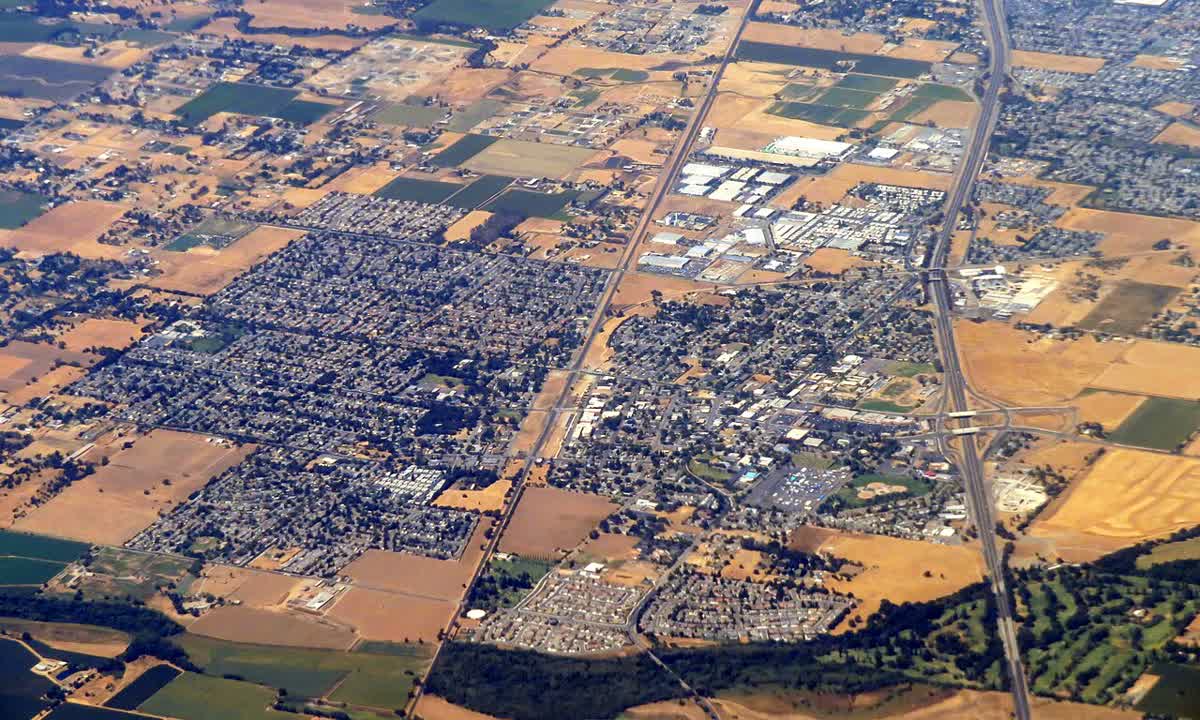
Where these numbers come from
The Consumer Financial Protection Bureau publishes Mortgage Performance Trends, monthly delinquency rates for the country, each state, and every county with enough loans in the sample. The latest release came out in August 2026 and runs from January 2008 through December 2025. I downloaded the county and state CSV files from the CFPB download page and pulled the Sacramento County, California and United States rows with a short script, so none of the figures below were typed in by hand.
A few things about how the CFPB counts, from its notes on the data:
- It's a 5 percent sample of outstanding first-lien, closed-end mortgages on 1 to 4 unit homes. Home equity lines and second mortgages aren't in it.
- The 30-89 day rate is loans 30 to 89 days past due, divided by all outstanding mortgages.
- The 90+ rate is loans 90 or more days past due but not in foreclosure. Loans already in foreclosure drop out of this count.
- During a public emergency, servicers may report a missed payment as current, which the CFPB says will hold the reported rate down. Read the 2020 and 2021 numbers with that in mind.
Seriously behind: Sacramento against the state and the country
The chart uses the December figure for each year, which keeps it readable. Sacramento County's monthly peak came one month after the December 2009 point, at 8.2% in January 2010.
Share of outstanding first-lien mortgages 90+ days past due and not in foreclosure. 2020 and 2021 may be understated because of forbearance reporting.
Show the numbers
| December of | Sacramento County | California | United States |
|---|---|---|---|
| 2008 | 4.5% | 4.1% | 2.7% |
| 2009 | 8% | 7.2% | 4.8% |
| 2010 | 6.3% | 5.6% | 4.1% |
| 2011 | 4.4% | 4% | 3.9% |
| 2012 | 2.9% | 2.8% | 3.4% |
| 2013 | 2% | 1.8% | 2.5% |
| 2014 | 1.5% | 1.3% | 2.1% |
| 2015 | 1% | 0.9% | 1.6% |
| 2016 | 0.8% | 0.8% | 1.3% |
| 2017 | 0.6% | 0.6% | 1.1% |
| 2018 | 0.6% | 0.5% | 0.9% |
| 2019 | 0.5% | 0.5% | 0.9% |
| 2020 | 0.3% | 0.3% | 0.6% |
| 2021 | 0.2% | 0.2% | 0.5% |
| 2022 | 0.3% | 0.3% | 0.5% |
| 2023 | 0.4% | 0.4% | 0.6% |
| 2024 | 0.5% | 0.5% | 0.7% |
| 2025 | 0.5% | 0.5% | 0.9% |
Source: CFPB Mortgage Performance Trends, county and state CSV files through December 2025.
Sacramento got hit harder than the state and much harder than the country. At the end of 2009 the county's 90+ rate was 8.0%, against 7.2% for California and 4.8% nationally. The county dropped below the national rate by the end of 2012 and has stayed under it every December since. For the last several years Sacramento and California have moved almost together, and in December 2025 both sat at 0.5% while the US was at 0.9%.
The early warning number is climbing again
The 30-89 day rate catches people one or two payments behind. Everyone who ends up 90 days late passes through it first, so it's the one I watch.
Share of outstanding first-lien mortgages 30 to 89 days past due.
Show the numbers
| December of | Sacramento County | California | United States |
|---|---|---|---|
| 2008 | 4.7% | 4.1% | 4.2% |
| 2009 | 3.3% | 3.5% | 3.9% |
| 2010 | 3% | 3% | 3.7% |
| 2011 | 2.7% | 2.7% | 3.5% |
| 2012 | 2.6% | 2.6% | 3.4% |
| 2013 | 1.7% | 2% | 2.9% |
| 2014 | 1.4% | 1.7% | 2.6% |
| 2015 | 1.3% | 1.5% | 2.4% |
| 2016 | 1.1% | 1.4% | 2.2% |
| 2017 | 1.4% | 1.3% | 2.1% |
| 2018 | 1.2% | 1.2% | 2.1% |
| 2019 | 1.5% | 1.4% | 2.2% |
| 2020 | 0.6% | 0.5% | 1% |
| 2021 | 0.7% | 0.6% | 1% |
| 2022 | 0.8% | 0.8% | 1.4% |
| 2023 | 1% | 1% | 1.8% |
| 2024 | 1.3% | 1.3% | 1.9% |
| 2025 | 1.4% | 1.4% | 2.1% |
Source: CFPB Mortgage Performance Trends, county and state CSV files through December 2025.
Sacramento's December reading went from 0.6% in 2020 to 1.4% in 2025. Averaged over all twelve months, it was 0.54% in 2021 and 1.18% in 2025, a bit more than double. Part of that jump is the forbearance effect wearing off, since 2021 was probably undercounted. Even so, 1.4% is back around where the county sat in 2014 and 2015, not anywhere close to 2009, when the December figure was 3.3%.
The same story in a table
| Month | Sacramento 30-89 | Sacramento 90+ | California 30-89 | California 90+ | US 30-89 | US 90+ |
|---|---|---|---|---|---|---|
| Jan 2009 | 4.8% | 4.9% | 4.1% | 4.4% | 4.2% | 2.9% |
| Jan 2010 | 3.4% | 8.2% | 3.5% | 7.4% | 4.0% | 4.9% |
| Dec 2011 | 2.7% | 4.4% | 2.7% | 4.0% | 3.5% | 3.9% |
| Dec 2012 | 2.6% | 2.9% | 2.6% | 2.8% | 3.4% | 3.4% |
| Dec 2019 | 1.5% | 0.5% | 1.4% | 0.5% | 2.2% | 0.9% |
| Apr 2021 | 0.4% | 0.3% | 0.4% | 0.3% | 0.6% | 0.4% |
| Dec 2024 | 1.3% | 0.5% | 1.3% | 0.5% | 1.9% | 0.7% |
| Dec 2025 | 1.4% | 0.5% | 1.4% | 0.5% | 2.1% | 0.9% |
If you add the two Sacramento columns for January 2010, you get 11.6%. Roughly one mortgage in nine in the county was at least a month behind. In December 2025 the same sum was 1.9%, about one in fifty.
The CFPB release stops at December 2025. For something newer, the Federal Reserve's delinquency rate on single-family mortgages held by commercial banks runs through the second quarter of 2026. It's national and only covers bank-held loans, but it tells the same story: 11.48% in the first quarter of 2010, 1.86% in the second quarter of 2026.
What the county number can't tell you
It's one number for a county of very different neighborhoods, and the CFPB doesn't break it down by ZIP code. It also leaves out home equity lines and second mortgages, so someone current on a first mortgage but behind on a second loan isn't in it. The monthly readings bounce, too. In 2025 alone, Sacramento's 30-89 day rate ranged from 0.9% to 1.4%, so I wouldn't read much into any single month. I watch the direction over two or three years instead.
What 2010 versus now means if you're behind today
The low rate doesn't help you personally. The notice periods don't shrink or stretch with the county average. But a few things really are different from my year.
You're easier to see. In 2010 servicers had stacks of files like mine, and I spent a lot of time on hold. Today about one loan in 200 in the county is 90 days late. That doesn't guarantee good service. It does mean the rules California added in 2012, including its ban on dual tracking, cover a much smaller pile of cases.
You probably have equity. In 2010, many of us didn't. The FHFA's house price index for the Sacramento-Roseville-Folsom area fell from 293.60 at the end of 2005 to 152.35 in the spring of 2012, a drop of about 48%. In early 2010 it stood at 171.41. By the second quarter of 2026 it was 408.95, about 139% higher than in early 2010. Back then plenty of people in my neighborhood owed more than their houses would sell for, so selling didn't fix anything. If you've owned for a while, today's numbers usually point the other way, and that changes the menu. If you bought years ago, selling for more than you owe is a real possibility now. On my street in 2010, it mostly wasn't.
That also means there's more to lose. A foreclosure sale with equity in the house is the worst way out, because you give up control of the price and the timing.
What I'd do with these numbers
- Count exactly how many payments you've missed. One or two puts you in the 30-89 group, and the federal rule says no foreclosure notice or filing until the loan is more than 120 days delinquent.
- Call a HUD-approved housing counselor at (800) 569-4287 before day 90 if you can.
- Get a rough value for the house and your payoff figure, then subtract. That number decides which options are real.
- Open every letter the day it comes. The deadlines in the notices run whether you read them or not.
The county figure covers everything from midtown to the farm roads south of Elk Grove, and selling is one honest answer for some people in it. 916 Home Offer, a local company that makes cash offers on houses as-is, has a page that says we buy houses in the city of Sacramento and another for people who want to sell a house in Galt. Get more than one number before you sign anything.
I keep thinking about how small that 0.5% looks on a chart. Each tenth of a point is a lot of kitchen tables with the same envelopes on them that I had on mine. Most of them have more room to move than I had in 2010, if they use it before the notice of default shows up.